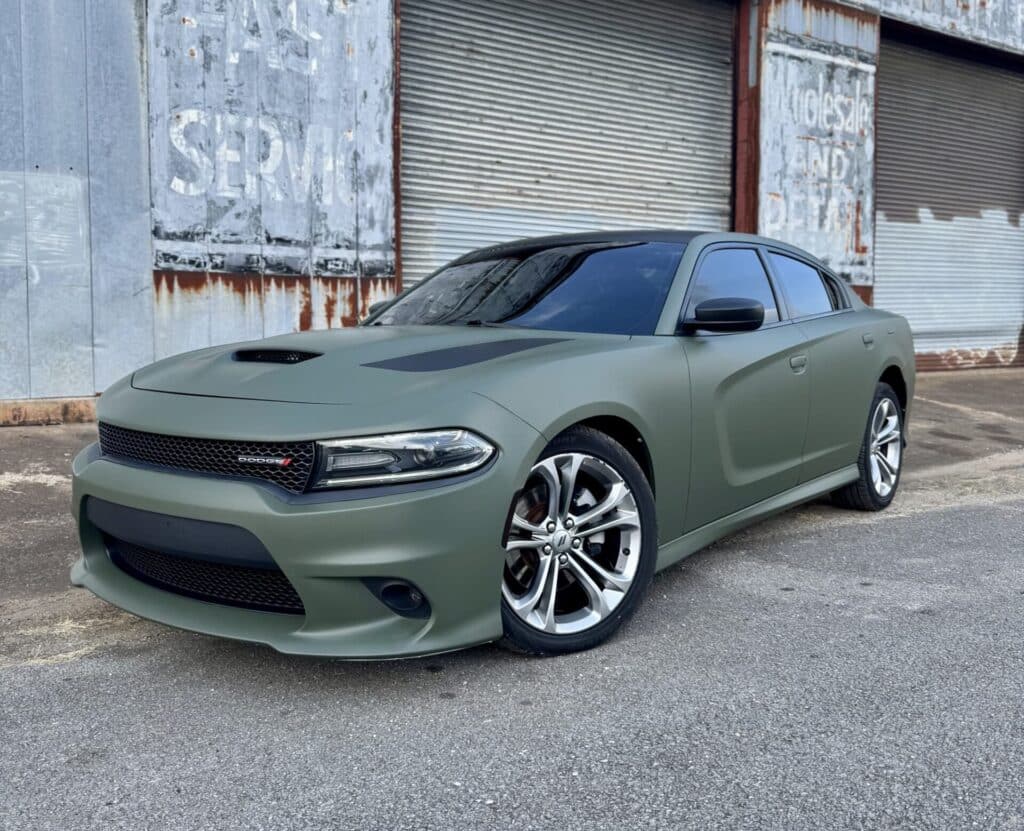
Vehicle wrapping is the process of applying a large, adhesive vinyl film over a car’s exterior to change its color, finish, or design without repainting. It offers a reversible, cost-effective alternative to traditional paint jobs and can protect your vehicle’s original finish at the same time.
Key Takeaways
- Vinyl wraps are fully reversible and will not damage factory paint when removed by a professional
- A full wrap typically costs less than a high-quality custom paint job
- Wraps can last three to seven years depending on material quality and how well you maintain them
- Both personal and commercial vehicles benefit from wraps, though the reasons differ
- Choosing the right installer matters as much as choosing the right material
- Partial wraps and color-change wraps are two distinct categories with different goals and price points
Why Vehicle Wrapping Has Become So Popular
Not long ago, changing a vehicle’s color meant committing to a permanent paint job that could cost thousands of dollars and void certain factory warranties. Vinyl wrapping changed that equation significantly. Today, car owners, small business owners, and fleet managers use wraps for everything from personal style to rolling advertisements.
The appeal comes down to a few core benefits. First, wraps are reversible. If you wrap a leased vehicle and return it in good condition, you have essentially customized it without violating your lease terms. Second, the vinyl film acts as a barrier against minor scratches, UV rays, and road debris, preserving your original paint underneath. Third, the design options are nearly unlimited. You can choose a matte black finish, a chrome mirror effect, a custom printed graphic, or anything in between.
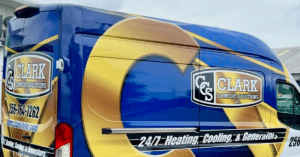
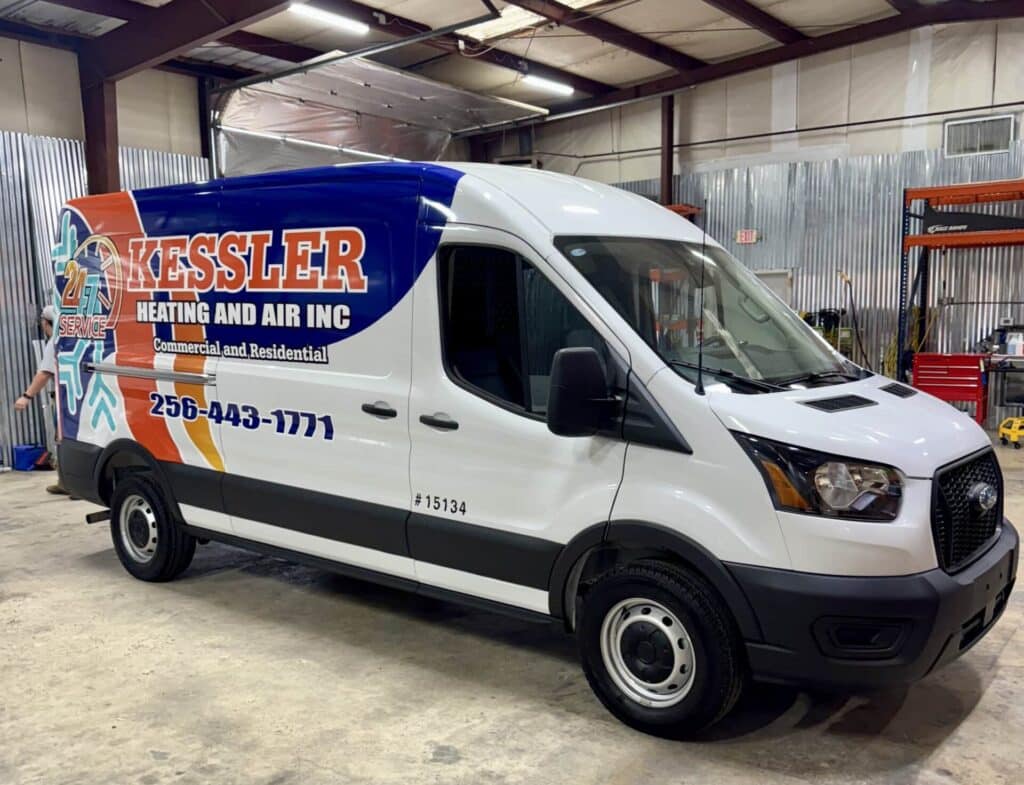
For businesses, the math becomes even more compelling. A single branded vehicle seen in a busy urban area can generate thousands of impressions per day, making vehicle graphics one of the most cost-efficient forms of local advertising available.
How the Wrapping Process Actually Works
Understanding what happens during an installation helps you set realistic expectations and ask the right questions when getting quotes.
The process starts with a thorough cleaning of the vehicle’s exterior. Any grease, wax, or contaminants on the surface will cause the vinyl to bubble or lift prematurely, so this step is non-negotiable. After cleaning, the installer measures and cuts the vinyl panels to fit specific sections of the car, such as the hood, roof, doors, and bumpers.
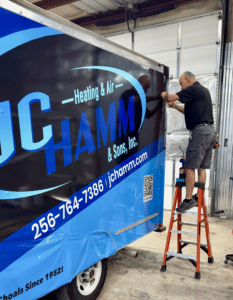
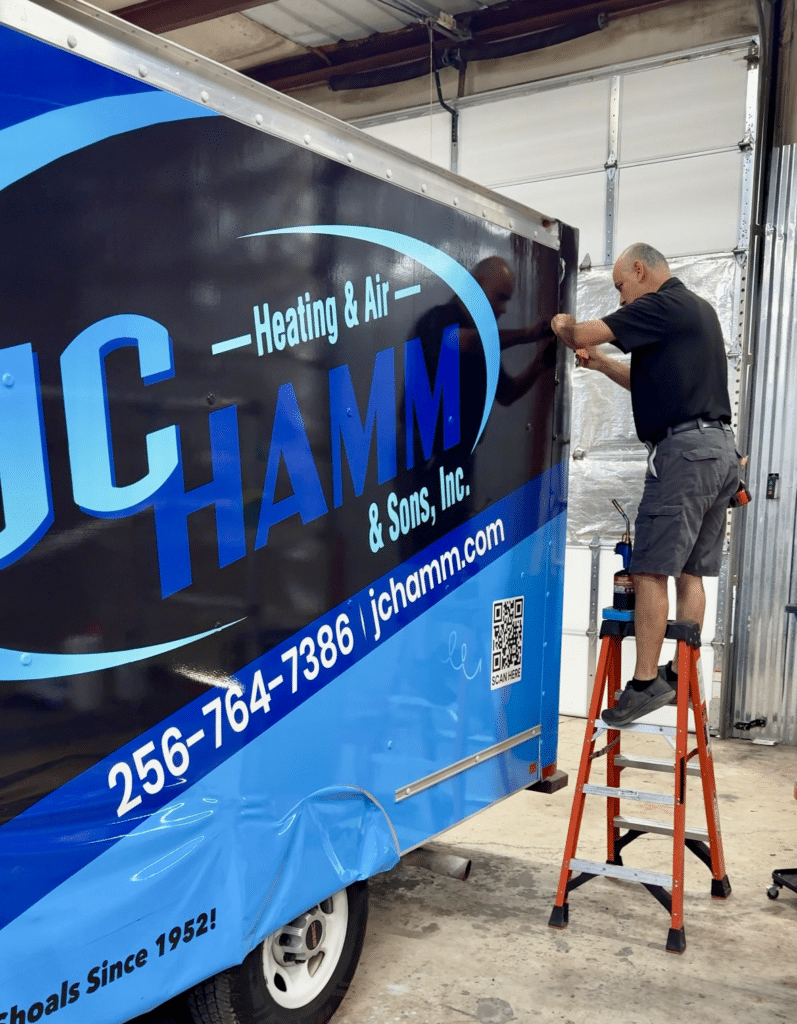
Professional installers use heat guns and squeegees to stretch and conform the film around curves, edges, and body lines without creasing. This is where skill and experience become critical. A poorly applied wrap will peel at the edges, trap air bubbles, and look visibly uneven within months. For complex curves or deep recesses, installers may use a technique called relief cuts to prevent the vinyl from pulling away from the surface.
Once applied, edges are tucked under door jambs and trim panels to create a seamless finish. The entire process for a full wrap typically takes two to five days depending on the vehicle size and design complexity. According to the Specialty Equipment Market Association (SEMA), the vehicle customization industry continues to grow as more consumers prioritize personal expression and brand identity.
If you are considering a professional installation, reviewing a provider like vehicle wrapping specialists who use premium cast vinyl and have a verifiable portfolio is a smart first step.
Wrap Types, Materials, and Costs
Not all wraps are created equal. The material you choose affects how the wrap looks, how long it lasts, and what it costs.
| Wrap Type | Average Cost (Full Vehicle) | Expected Lifespan | Best For |
|---|---|---|---|
| Cast Vinyl (standard) | $2,500 to $5,000 | 5 to 7 years | Color changes, long-term use |
| Calendered Vinyl | $1,500 to $3,000 | 2 to 4 years | Short-term, flat surfaces |
| Chrome / Specialty Film | $6,000 to $10,000+ | 3 to 5 years | Show cars, high-impact branding |
| Printed Commercial Wrap | $3,000 to $8,000 | 4 to 6 years | Business advertising |
| Partial Wrap | $500 to $2,500 | Varies | Budget branding, accent panels |
Cast vinyl is the industry standard for most professional installations. It is thinner, more conformable, and shrinks back to its original shape when heated, making it far easier to apply over complex curves. Calendered vinyl is stiffer and less forgiving, but it costs less and works fine for flat surfaces like cargo van sides.
The 3M Graphics Solutions page and similar manufacturer resources offer detailed specs on film thickness, adhesive types, and warranty coverage, which can help you compare materials when speaking with a shop.
Maintenance and Longevity
A wrap is only as durable as the care it receives. Here is what good maintenance looks like in practice:
- Hand wash the vehicle with a mild, pH-neutral soap rather than running it through automated brushes
- Avoid parking in direct sunlight for extended periods whenever possible
- Do not use wax or solvent-based cleaners on matte or satin finishes
- Spot-clean bird droppings and tree sap immediately, since these are acidic and can break down the film
- Inspect edges every few months and press down any lifting corners before they catch wind and tear
The International Carwash Association notes that touchless car washes are generally safer for film surfaces than brush-based systems, though hand washing remains the most protective option.
Proper storage and care can extend a wrap’s life well beyond its rated lifespan. Many commercial fleet operators report excellent results for five or more years on vehicles that are garaged overnight and hand washed weekly.
Things to Know
- Wraps do not hide dents, rust, or deep scratches. The film conforms to the surface beneath it, so body imperfections will still show through.
- Color-matching to factory paint is possible but not guaranteed. If you wrap only part of the vehicle, the vinyl and paint colors may look different under certain lighting conditions.
- Some states require you to notify your insurer when you change a vehicle’s appearance. Check with your provider before installation.
- DIY wrap kits are available at retail prices around $300 to $700, but without professional tools and training, results on curved surfaces are rarely satisfying.
- Removing an old or failed wrap incorrectly can pull up paint, especially if the vehicle has repainted panels where the coating does not adhere as strongly.
The Federal Trade Commission recommends getting written quotes and reviewing warranties before committing to any vehicle modification service.
Frequently Asked Questions
Q: Can a vinyl wrap be applied over existing paint damage?
No, vehicle wrapping should not be done over damaged, peeling, or rusty surfaces.
The adhesive requires a clean, smooth, and solid surface to bond correctly. If the underlying paint is compromised, the wrap will lift prematurely and may cause further damage when removed.
Q: Will a wrap damage my car’s original paint?
When installed and removed correctly, a professional wrap will not damage factory paint.
Problems typically arise when wraps are left on beyond their lifespan or removed improperly using sharp tools. Repainted surfaces are more vulnerable, which is why shops often test adhesion before committing to a full installation.
Q: How long does a full vehicle wrap take to install?
A full professional installation typically takes between two and five business days.
Larger vehicles such as trucks or vans take longer. Complex custom prints require additional time for design and print production before installation even begins.
Q: Can I wrap a leased vehicle?
Yes, wrapping a leased vehicle is generally permitted as long as the wrap is removed before the lease ends.
Always review your lease agreement and confirm with your dealer. A professional removal that leaves the original paint intact is a standard service most wrap shops offer.
Q: Is vehicle wrapping covered by auto insurance?
Standard auto insurance policies typically do not cover the cost of a wrap under collision or comprehensive claims.
Some specialty insurers offer add-on coverage for aftermarket modifications including wraps. The Insurance Information Institute recommends disclosing all modifications to your insurer to avoid coverage disputes after a claim.
The Bottom Line on Vehicle Wrapping
Vehicle wrapping offers a versatile, reversible, and often cost-effective way to completely transform how your car or commercial fleet looks. Whether you are refreshing a personal vehicle, protecting a new car’s paint, or turning a company van into a moving billboard, wraps deliver measurable value when installed and maintained correctly.
The most important step you can take is choosing a qualified installer with proven experience and premium materials. Request a portfolio, ask about the brand of vinyl they use, and get the warranty in writing before you sign anything. A well-executed wrap is an investment that pays for itself, especially for business owners who treat their vehicles as advertising assets.